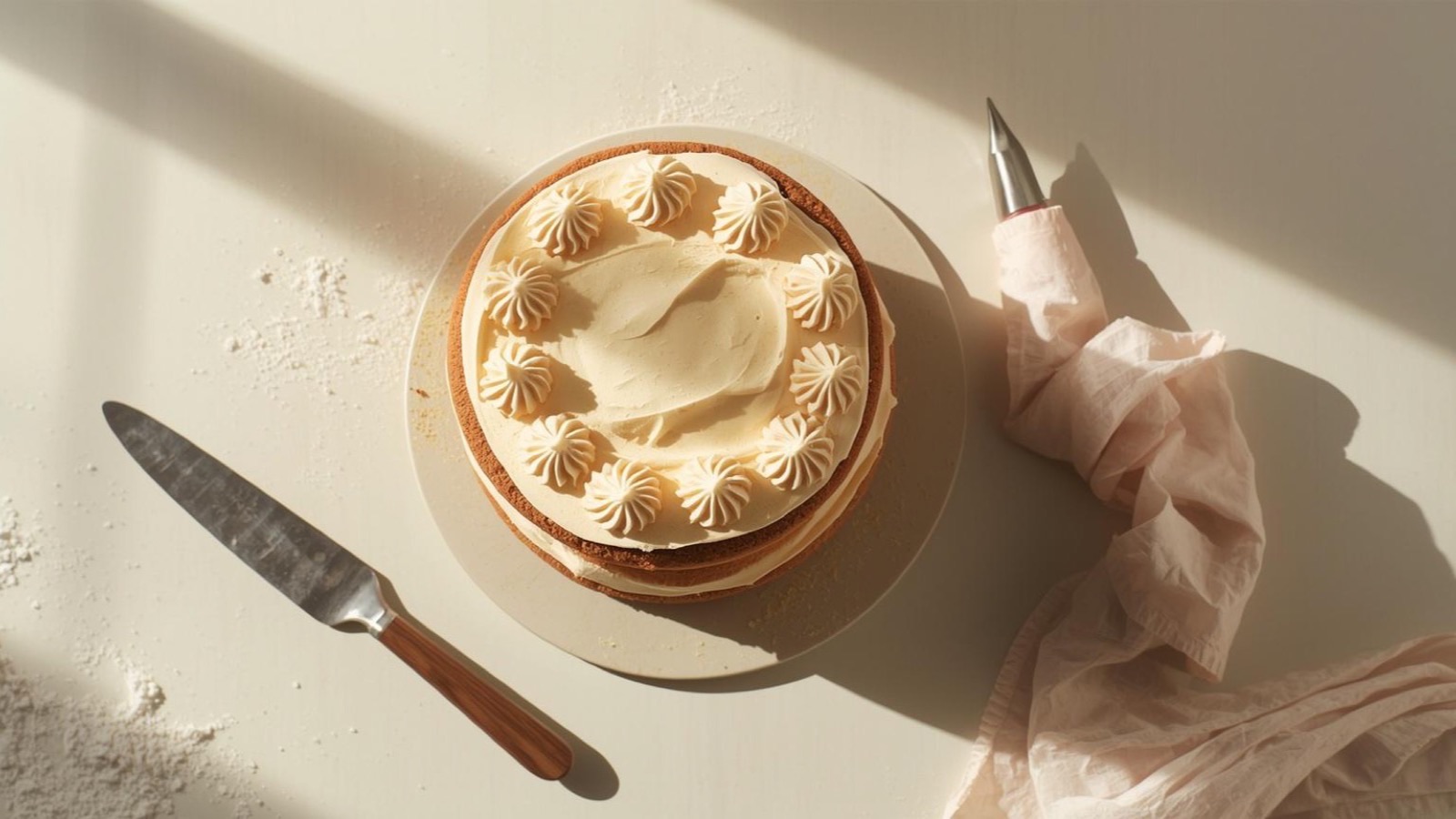
You spent a Saturday morning baking. The cake came out beautifully. Someone at the market asked how much, and you said “fifteen pounds” — because that’s what the woman two stalls down was charging for hers.
That’s how most UK home bakers price their cakes. Not because they’re careless, but because nobody ever showed them what their cake actually costs to make. This guide is about how to price cakes for selling in the UK without losing money on every bake — using a Victoria Sponge as the worked example, and walking through what to charge across the channels you’re most likely to sell through.
By the end you’ll know your floor price, the margin you should aim for, and what to do when someone tells you your cake is too expensive.
- A Victoria Sponge takes ~90 minutes to make. At the National Living Wage that’s £19 of your time in one cake — before ingredients
- The full cost of a market-quality 8-inch sponge is around £25, not £8
- Selling that cake for £15 isn’t a thin margin — it’s a £10 loss
- Make four sponges in one session and your labour-per-cake drops by 75%, which is what makes cake selling viable
Why most UK cake sellers underprice
Three patterns show up over and over.
You copy the seller next to you. Their price is your benchmark, you go a pound or two under to compete, and now neither of you is making money. You don’t know their cost base, their batch size, or whether they’re losing money too. Most likely they are.
You compare yourself to a supermarket sponge. A Tesco Victoria Sponge is £4. Yours is £15 and you feel guilty for charging “too much”. But Tesco’s cake was made by a machine in a factory at 1,000 units an hour. Yours took ninety minutes of your time. They are not the same product, and they should not be the same price.
You forget the time costs anything. Ingredients are £4.50, so a £15 price feels like you’re making £10. You’re not. The hour and a half you spent baking is worth at least £19 at the National Living Wage. Your real margin on that cake is negative £8.50.
The three numbers every cake price needs
Every defensible cake price is built from three components. Skip any of them and you’ll undercharge.
1. Your real cost per unit — ingredients, your time, and a share of your overheads (packaging, energy, insurance, market pitch fees). Ingredients are the easy bit. Time is what people miss. Overheads are what people forget. The full guide on how to cost a recipe walks through the maths in detail.
2. Your target margin — the difference between cost and selling price, expressed as a percentage of the price. 40% is a solid baseline for direct sales (markets, home pickup, custom orders). For platform sales — Etsy, anywhere that takes commission — aim for 55-60% so the fees don’t eat your margin to nothing.
3. Your channel adjustment — different selling channels have different cost layers. A direct market sale is just you and the customer. An Etsy custom order has 12% in fees. Wholesale to a café means selling at trade price (40-50% below retail). Same cake, three different prices — and they’re all correct.
The formula:
Selling price = total cost ÷ (1 − target margin)
For a £25 cake at 40% margin: £25 ÷ 0.60 = £41.67, round to £42.
That’s the floor for direct sales — the lowest price you can charge before you start losing money on the cake. Anything below it and you’re effectively paying the customer to take it off your hands.
Now we’ll work through it with real numbers.
Worked example: pricing a Victoria Sponge
A standard 8-inch Victoria Sponge with buttercream and jam filling. Made one at a time in a home kitchen.
So far the price feels easy — £4.50 of ingredients, sell for £12, make £7.50, right? No.
Now add your time. Prep, bake, cool, fill, decorate, clean up — call it 1h 30m for a single sponge if you’re not rushing. At the National Living Wage of £12.71 per hour, that’s £19.07 of labour in one cake.
Then add overheads — packaging (a board and a box: £0.80), gas and electric for the oven (~£0.50), and your share of insurance, market fees, and other fixed costs (£0.20 per cake if you make 200 a month). About £1.50 per cake.
Twenty-five pounds. Not eight. If you’ve been selling Victoria Sponges at £15 — which is the price most home bakers default to — you’ve been losing £10 per cake. The labour is what most people miss.
For a 40% margin on a £25 cake, the sell-at price is £41.78 — round to £42, or £40 for a clean number that customers find easier to commit to.
Now try it with your own cake. The widget below starts pre-filled with the Victoria Sponge numbers as a worked example — edit any field (your real ingredient cost, your time per cake, your hourly rate, your overheads, your margin) and the sell-at price updates as you type. If you want to see how much you’re currently making or losing, drop your real selling price into the bottom field.
Calculate your own cake
Edit any field — values save only when you email yourself the breakdown.
UK National Living Wage (2026) is £12.71/hr. Many established bakers use £15-£20.
Covers packaging, energy, insurance and market fees.
40% direct · 55-60% Etsy · 50% wholesale.
This is one recipe. Most food businesses sell 10+. Every time butter goes up 20p, you'd rebuild this calculation by hand — for every product. The Food Costing Toolkit recalculates every recipe automatically when one ingredient price changes. £79, one-time.
That’s the price your numbers say. We’ll come back to whether the market will pay it.
Where the maths starts to work
If a single sponge costs £25 to make, the obvious question is: how does anyone sell cakes profitably?
Three answers.
Batch your bakes. Most of that £19 labour cost is fixed setup — getting the kitchen ready, weighing out, cleaning down. Doing the actual work on four sponges takes maybe 2h 30m total instead of 6h, because you’re prepping ingredients once, not four times. That drops your labour cost from £19.07 per cake to £7.95 per cake. Total cost falls from £25 to about £14, and a £25-£30 selling price suddenly works at a healthy margin.
Move into custom and celebration cakes. A plain Victoria Sponge is hard to charge £40 for because customers can compare it to a supermarket sponge. A custom 8-inch celebration cake with buttercream finish, message piped on top, and a personal name? That’s a different product. £55-£75 is normal in the UK, and most of the extra price is margin, not extra cost. The Custom Order Quote Sheet add-on to the toolkit is built specifically for this.
Sell wholesale to cafés. Lower price per cake (a café might pay you £15-£20 for a sponge they slice and resell at £4 a piece), but they take a regular weekly order — same cake, batched, no marketing effort. Steady volume offsets the lower margin per unit. Worth it once you’ve got the kitchen rhythm down.
The pattern: the maths works when you’re not making one cake at a time for one person at a time. The moment you batch, customise, or wholesale, your labour-per-cake drops and the price-per-cake holds.
How to price cakes in the UK — 2026 benchmarks
What customers actually pay in 2026, for context. These are the ranges to aim within — not a ceiling.
| Cake type | Direct / market | Custom / celebration | |---|---|---| | Loaf cake (lemon drizzle, banana, coffee) | £12-£18 | n/a | | 8-inch Victoria Sponge | £20-£30 | £35-£55 | | 8-inch celebration cake (buttercream) | n/a | £45-£75 | | 10-inch celebration cake | n/a | £65-£110 | | Cupcakes (box of 12, plain) | £18-£28 | £25-£45 | | Cupcakes (box of 12, decorated) | n/a | £35-£60 | | Brownies (box of 12) | £20-£30 | £25-£40 |
If your prices are at the bottom of these ranges and your costs aren’t lower than average, you’re underpricing. If they’re above the range, you need a story — better ingredients, better design, better service — to justify the gap. The numbers are a starting point, not a rule.
What to say when customers say your cakes are too expensive
When you raise your prices, you’ll hear it. Three short replies that work without losing your nerve.
“That’s too much.”
“I understand — these are made to order using free-range eggs and real butter, and each one takes about an hour and a half of my time. The price reflects the actual cost of making it properly.”
You’re not arguing. You’re explaining. Most people who say “too expensive” don’t actually walk away — they just want to know why.
“I can get one cheaper at Tesco.”
“You absolutely can — and a supermarket cake is a great option. What you get from me is a cake made fresh today, just for you. If that’s not what you need today, no worries at all.”
Acknowledge the alternative, name the difference, leave the door open. Don’t apologise.
“Can you do it for £20?”
“Not for that one I’m afraid — at £20 I’d be working for free. If you’re after a smaller version or something simpler, I can put a price on that for you.”
This is the one that takes practice. You’re not negotiating down — you’re offering a different option at a different price. People respect the line.
The thing to remember: your price is set by your cost and your margin, not by the customer’s budget. If the customer’s budget doesn’t fit your cost base, the answer is “this isn’t the right fit for you” — not “I’ll charge less and lose money to keep your business”.
Common questions
How much should I charge for a homemade birthday cake?
What margin should I aim for on cakes?
Is it legal to sell homemade cakes from home in the UK?
How much extra should I charge for custom design?
What do I say when someone says my cake is too expensive?
Price every product properly.
Stop guessing what to charge. The Food Costing Toolkit works out every cost that goes into your products — ingredients, labour, overheads, margin, and platform fees — across six connected spreadsheets. Update one ingredient price and every recipe that uses it recalculates automatically.
Get Price It Right — £79One-time purchase · no subscription · PDF guide included